Showing 20 of 940 results for “ramayana”
🛕 Heritage Sites
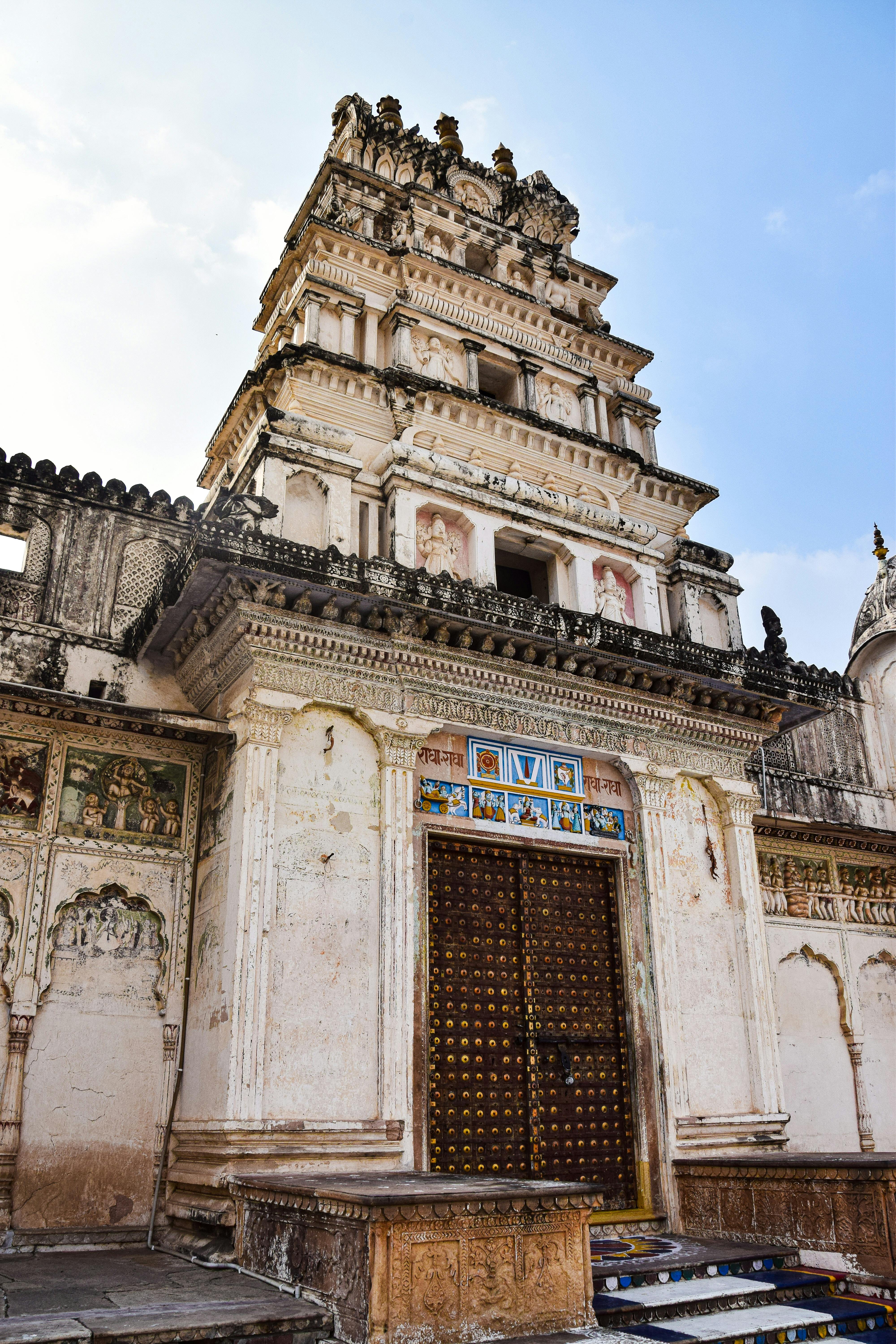
Pushkar Brahma Temple
Pushkar, Rajasthan
One of the very few temples in the world dedicated to Lord Brahma. Pushkar is mentioned in the Ramayana and Mahabharata as a sacred lake created by Brahma himself. The current temple dates to the 14th century, replacing an older temple destroyed by Aurangzeb.
What happened
Aurangzeb's forces destroyed the original ancient Brahma temple in the 17th century. The current structure was rebuilt in the 14th century (some sources say earlier). Aurangzeb also destroyed the Pushkar bathing ghats, which were later restored.
Current status
Active temple and major pilgrimage site. The Pushkar Lake and 52 bathing ghats are sacred. Annual Pushkar Camel Fair draws millions.
Sources: Padma Purana, Rajasthan State Gazetteer
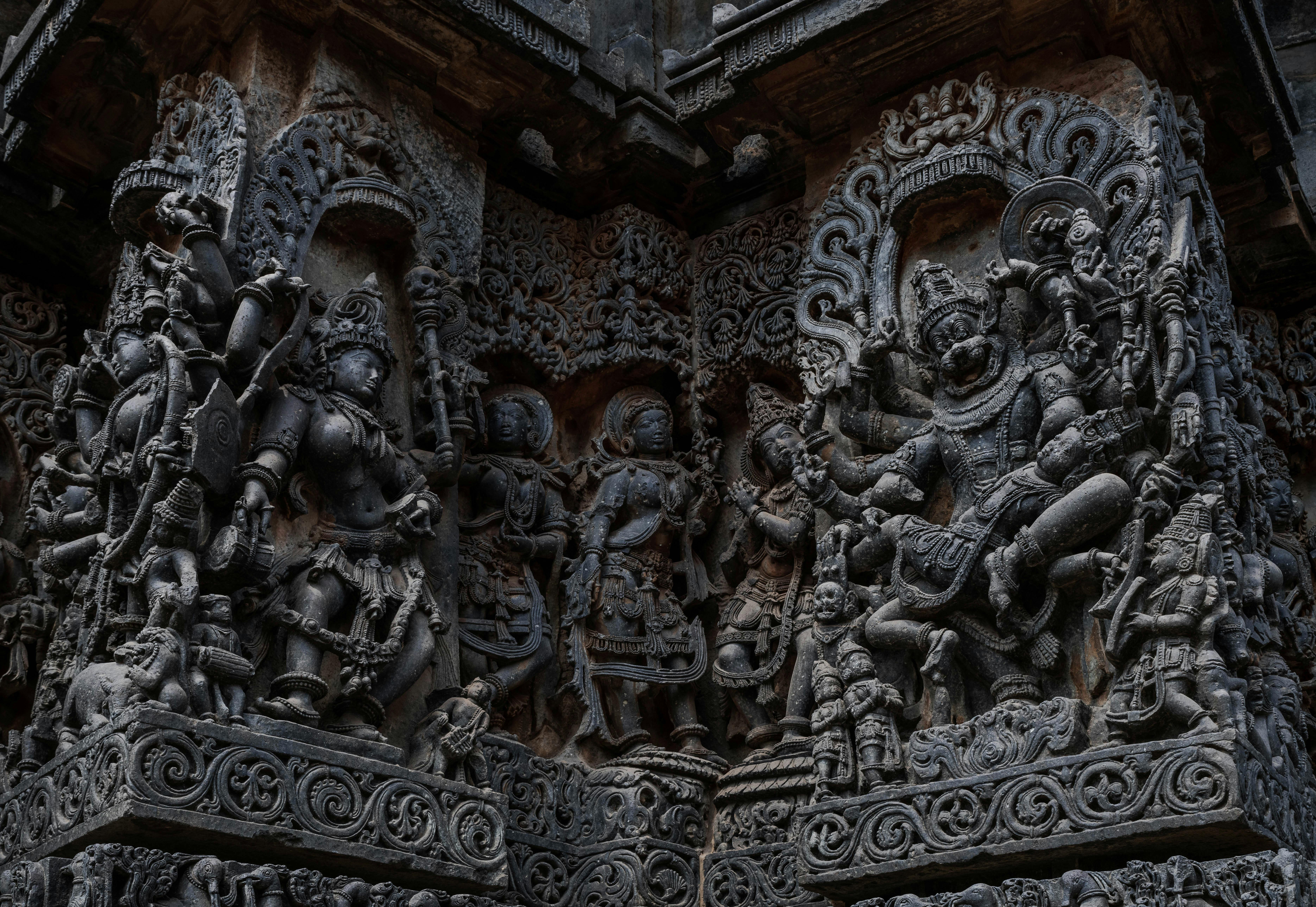
Hoysaleswara Temple, Halebidu
Hassan, Karnataka
The pinnacle of Hoysala architecture (1121 CE). Every inch of the exterior is covered in intricate soapstone carvings — gods, animals, dancers, musicians, scenes from the Ramayana and Mahabharata. No two pillars in the 108-pillar hall are identical.
What happened
Malik Kafur's forces attacked Halebidu in 1311 during Alauddin Khilji's Deccan campaign. The temple was looted and partially damaged. The intricate soapstone carvings are eroding due to weather — time itself is now the enemy.
Current status
ASI protected. Open to visitors. The carvings are so detailed that art historians spend years studying a single panel. Called the 'Gem of Indian Architecture'.
Sources: Hoysala dynasty inscriptions, ASI Hassan Circle Reports
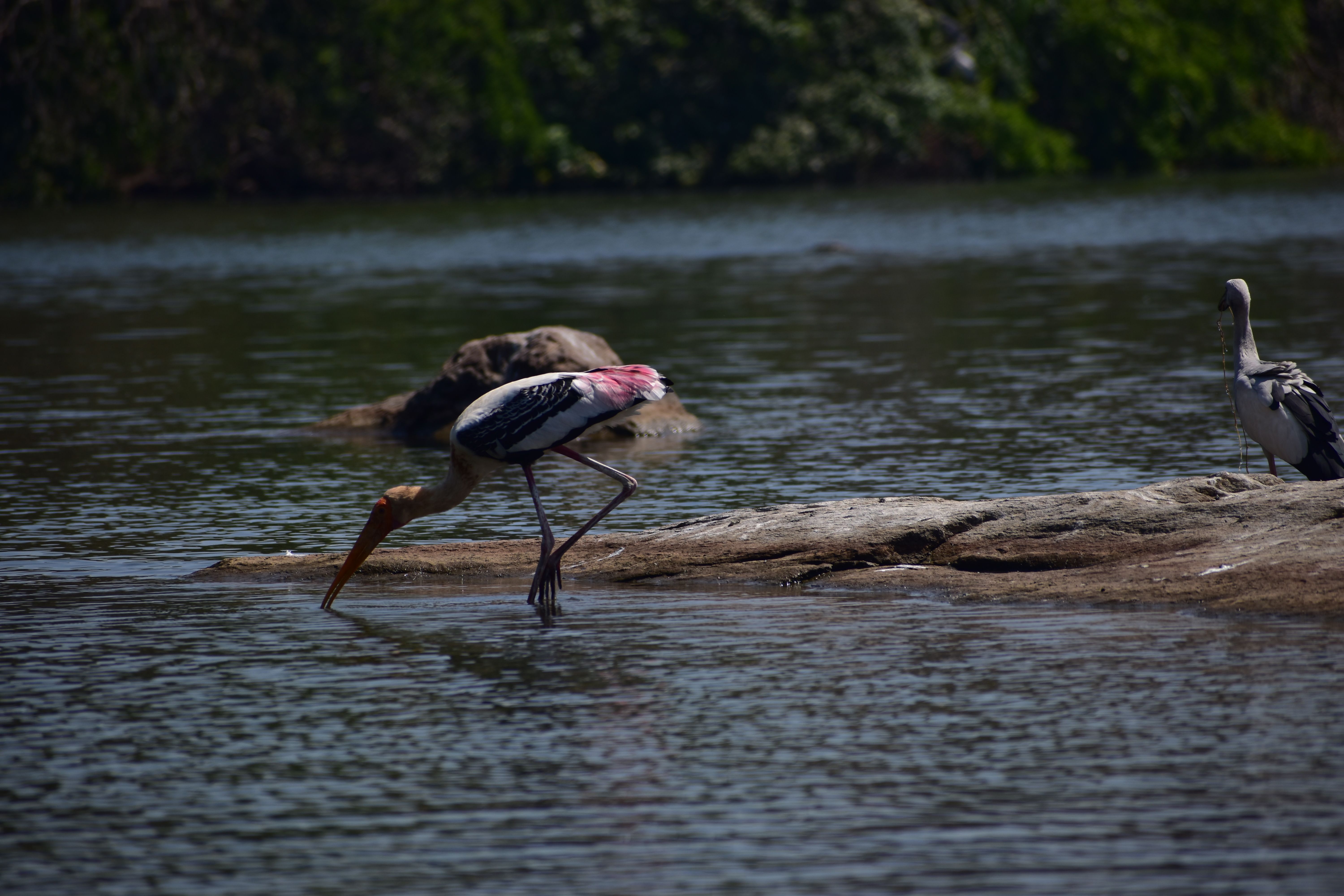
Ranganathittu Bird Sanctuary & Temple
Mandya, Karnataka
An island temple complex on the Kaveri River associated with the sage Rishyashringa from the Ramayana. The surrounding islands are now a bird sanctuary — home to painted storks, pelicans, and crocodiles. The temple's connection to the Ramayana makes it a sacred landscape.
What happened
The temple was built by the Wodeyar dynasty of Mysore. The islands were declared a bird sanctuary in 1940 by the Mysore king. The temple and sanctuary coexist — devotees visit the temple while birdwatchers explore the islands.
Current status
Active temple and bird sanctuary. The temple is small but historically significant. The sanctuary is one of the best birdwatching sites in South India. Crocodiles bask on the islands — visitors watch from boats.
Sources: Ramayana references, Mysore royal records